
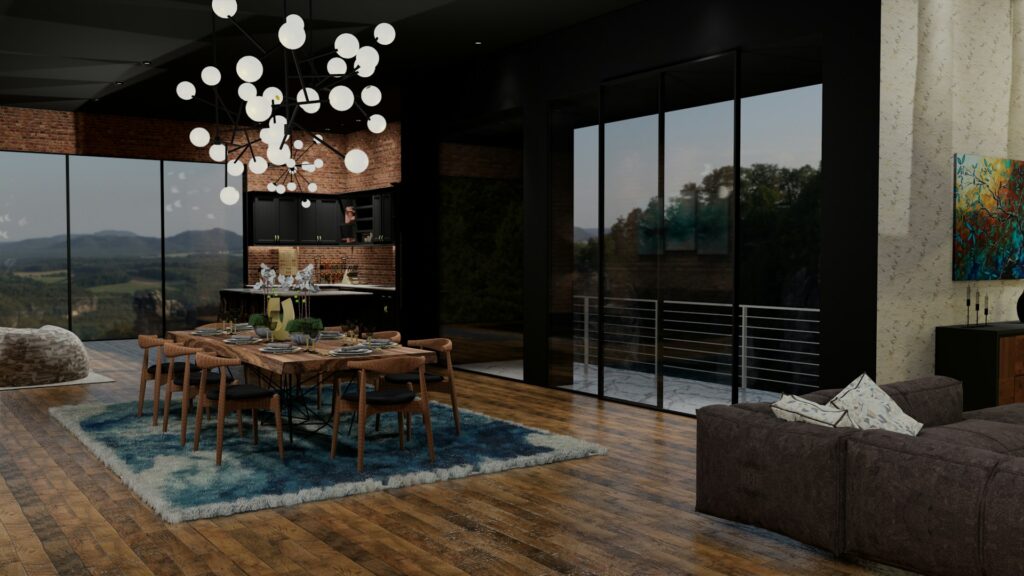

I still remember the first dining room I ever redesigned. It belonged to a client who told me, almost apologetically, “We never actually eat in here.” The table was pushed against the wall, the lighting was a single flat ceiling bulb, and the room felt more like storage overflow than a place to gather. Six weeks later, that same client hosted her entire extended family for Thanksgiving in that room—and she texted me a photo of twelve people laughing around the table with the caption “We live here now.”
That’s the thing about dining room decor ideas that actually work. They’re rarely about spending a fortune. They’re about understanding why a room isn’t being used and fixing that one thing before you touch a single throw pillow.
I’ve put together this guide as if you and I were sitting at my own dining table, going through everything I’ve learned—the wins, the mistakes, the shortcuts, and the small changes that make the biggest difference. Whether you’re working with a grand formal dining room or a tiny nook squeezed between your kitchen and living room, you’ll find dining room decor ideas here you can actually use this weekend.
Let’s get into it.
Why Your Dining Room Deserves More Attention in 2026
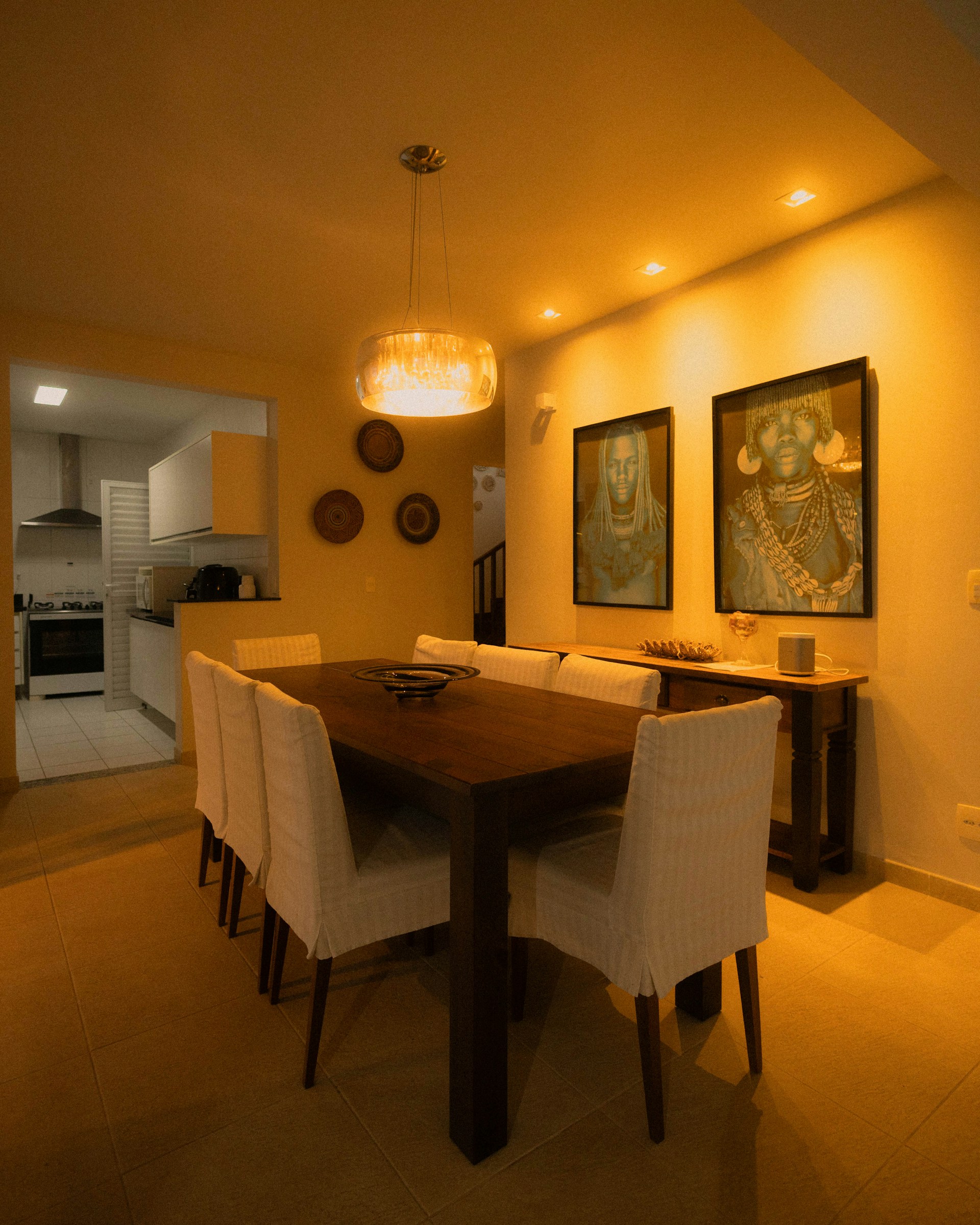
For a long time, dining rooms were treated as the “guest room” of the main floor—dressed up for holidays and ignored the other 350 days a year. That’s changing fast. Homes today are asking every room to earn its keep, and the dining room is having a real comeback as the emotional center of the house: the spot for homework, coffee with a neighbor, a laptop during a work call, and yes, actual dinners too.
That shift matters because it changes how you should think about dining room design. This isn’t about creating a stiff, magazine-cover space you’re afraid to touch. It’s about building a room that’s flexible, personal, and genuinely comfortable enough that your family gravitates toward it without being asked.
Once you start thinking of your dining area design as a living space instead of a showroom, the decorating decisions get a lot easier — and a lot more fun.
Start With a Plan: Understanding Your Dining Area Design Before You Buy Anything
I know the instinct is to jump straight to Pinterest and start collecting pretty pictures. I do it too. But the dining rooms that photograph beautifully and function well always start with three questions.
- How is this room actually used, honestly? Not how you wish it were used — how it’s used right now. Is it double duty as a home office? Do kids do art projects there? Is it purely for entertaining a few times a year? Your answer changes everything from the table finish to the chair fabric.
- What’s the traffic pattern? Walk the room the way you actually move through it during a normal week. If you’re constantly squeezing past chairs to reach the kitchen, no amount of pretty Dining Room Decor Ideas will fix that friction. Aim for at least 36 inches of clearance around the table where possible and closer to 42–48 inches if you can spare it for chairs to pull out comfortably.
- What’s the one thing that currently bothers you? Every client I’ve worked with has one nagging issue—dim lighting, a table that’s too big, or a rug that’s always bunching up. Fix that first. It’s usually cheaper than you think, and it removes the mental friction that makes people avoid the room altogether.
Once you’ve answered those, you’re not decorating blind anymore. You’re solving a specific problem, and that’s when a dining room design actually comes together instead of feeling like a random collection of nice things.
Color Palettes That Are Defining Dining Room Design in 2026
Color is doing more heavy lifting in dining rooms this year than almost any other element, and I’ve genuinely enjoyed watching the shift away from the “safe white box” approach.
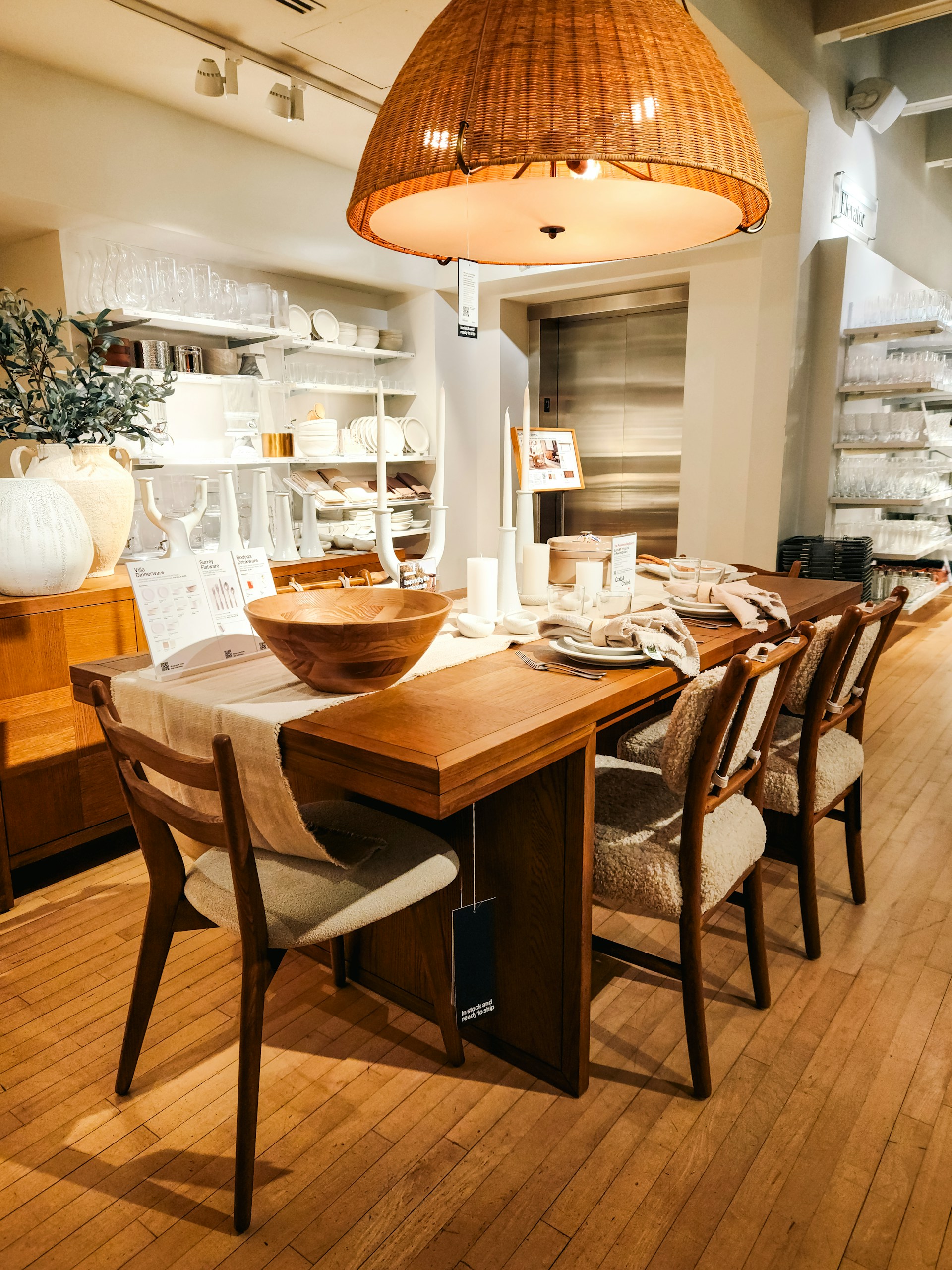
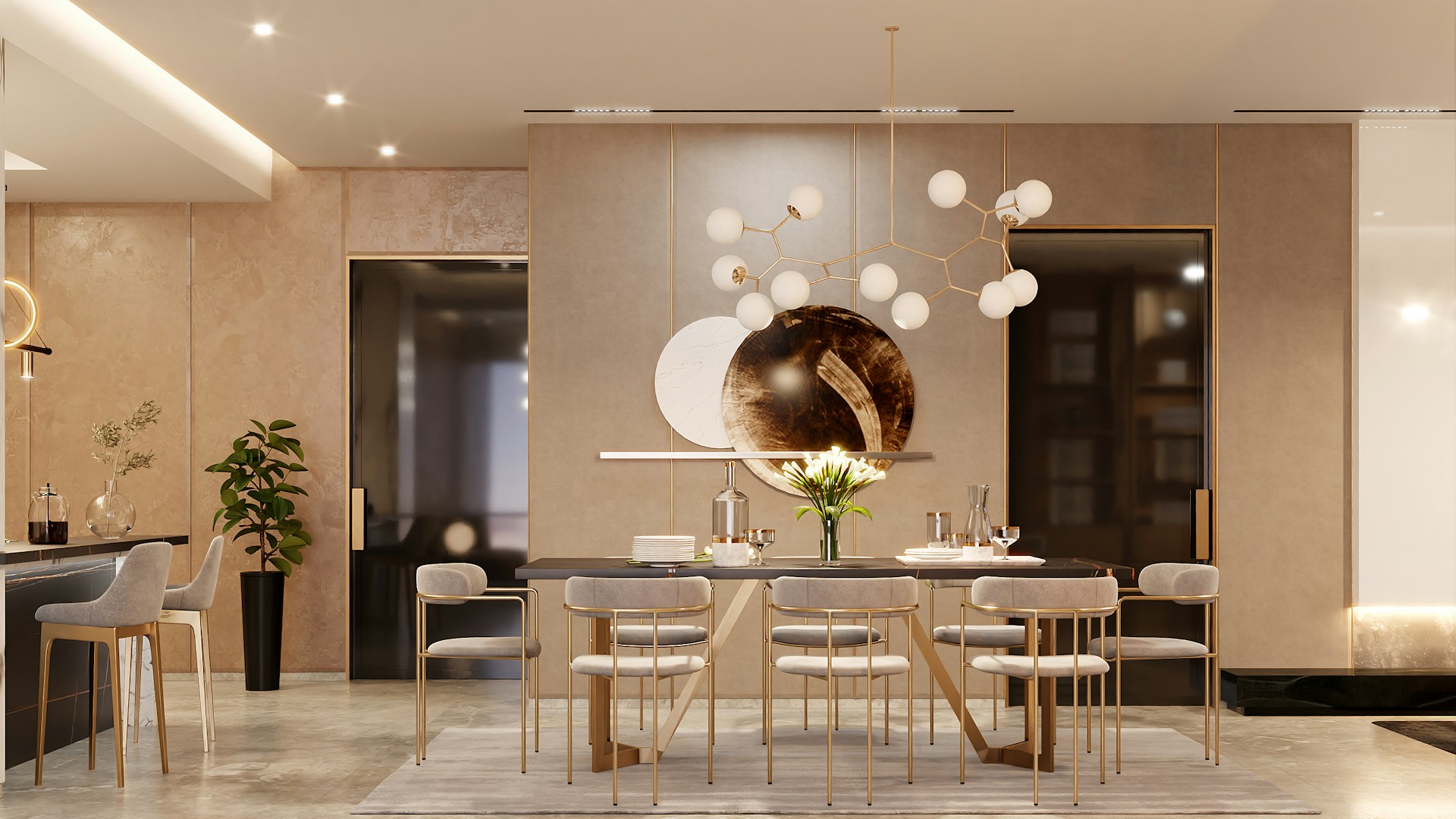
Warm neutrals as a foundation. Think soft clay, warm greige, oatmeal, and toasted almond tones. These give you a backdrop that feels grounded and cozy rather than clinical, and they play beautifully with natural wood.
Nature-inspired accents. Muted sage, dusty blue, and terracotta are showing up constantly this year, whether as an accent wall, upholstered chairs, or table linens. They add personality without shouting for attention.
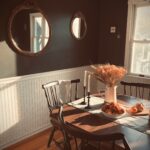
Moody, saturated tones for evening drama. Because dining rooms are typically used after the sun goes down, they’re one of the few rooms in the house where a deep, rich color—forest green, ink blue, chocolate brown—genuinely works. You get the drama without living in a dark room all day, since you’re mostly enjoying it by lamplight and candlelight anyway.
Unexpected color pairings. Cobalt with ochre. Emerald with warm citrus. Deep charcoal with a burst of coral. The trick is picking two tones that feel like they shouldn’t work together and then repeating them consistently across the room—in the chair upholstery, a piece of art, and a table runner—so the pairing feels intentional rather than accidental.
My honest advice: pick your wall color last, not first. Choose your table, your rug, and your favorite piece of art, then build the wall color around whatever ties those together. It’s a small reordering of the usual process, but it prevents that “I love my furniture but it doesn’t match my walls” regret.
Dining Room Table Decor Ideas I Swear By
The table is the heart of the room, so it deserves more thought than a quick centerpiece grabbed on the way out of the store. Here are the dining room table decor ideas that consistently get compliments.
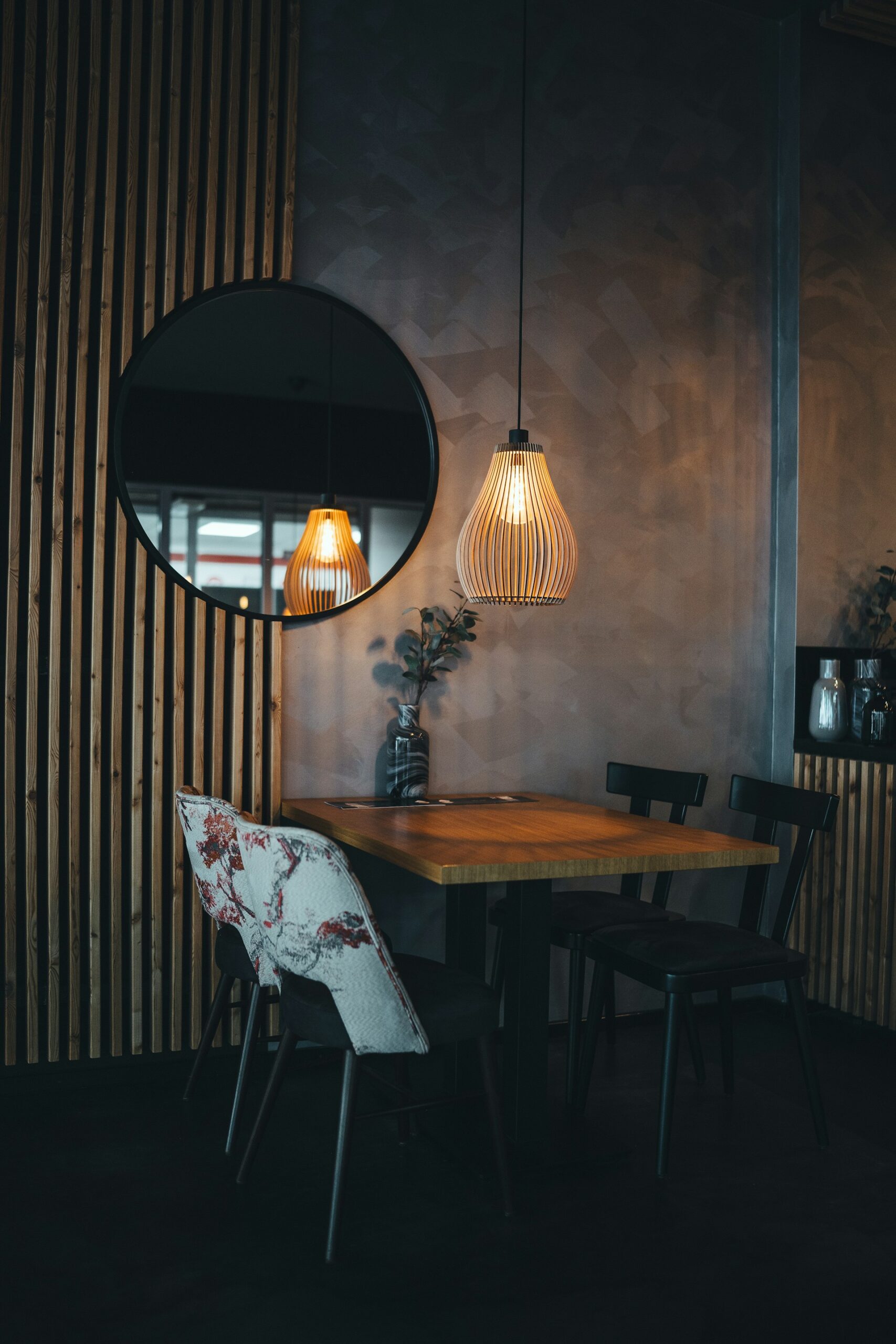
Layer height, not just objects. A flat centerpiece reads as an afterthought. Instead, layer a low runner, a medium-height bowl or vase, and one taller element like a candlestick or branch arrangement. Varying height creates visual rhythm even when the piece count is small.
Use a runner instead of a full tablecloth for everyday styling. A runner down the center lets the wood grain or stone of your table show, which feels more current and less fussy. Save the full tablecloth for formal occasions.
Go easy on flowers—greenery lasts longer and looks intentional. A few stems of eucalyptus or olive branches in a simple vase often look more sophisticated than an elaborate floral arrangement, and you’re not replacing it every few days.
Mismatched but coordinated place settings. Rather than a matching set of everything, mix in one or two vintage or unique pieces per setting—a different water glass, a textured napkin ring, a hand-thrown ceramic plate. It reads as collected, not chaotic, as long as your color palette stays consistent.
Candles at different heights, always unscented at the table. Scented candles compete with food. Stick to unscented tapers or pillar candles in varying heights for ambient light that doesn’t interfere with dinner.
An “everyday centerpiece” you actually leave out. My favorite trick: keep a simple, low bowl of lemons, a small potted plant, or a stack of your favorite cookbooks permanently on the table. It keeps the room from looking staged only for company, and it makes the space feel lived-in on a random Tuesday.
If you’re searching for dining room table decor that photographs well and survives daily life, these small, repeatable habits matter more than any single statement piece.
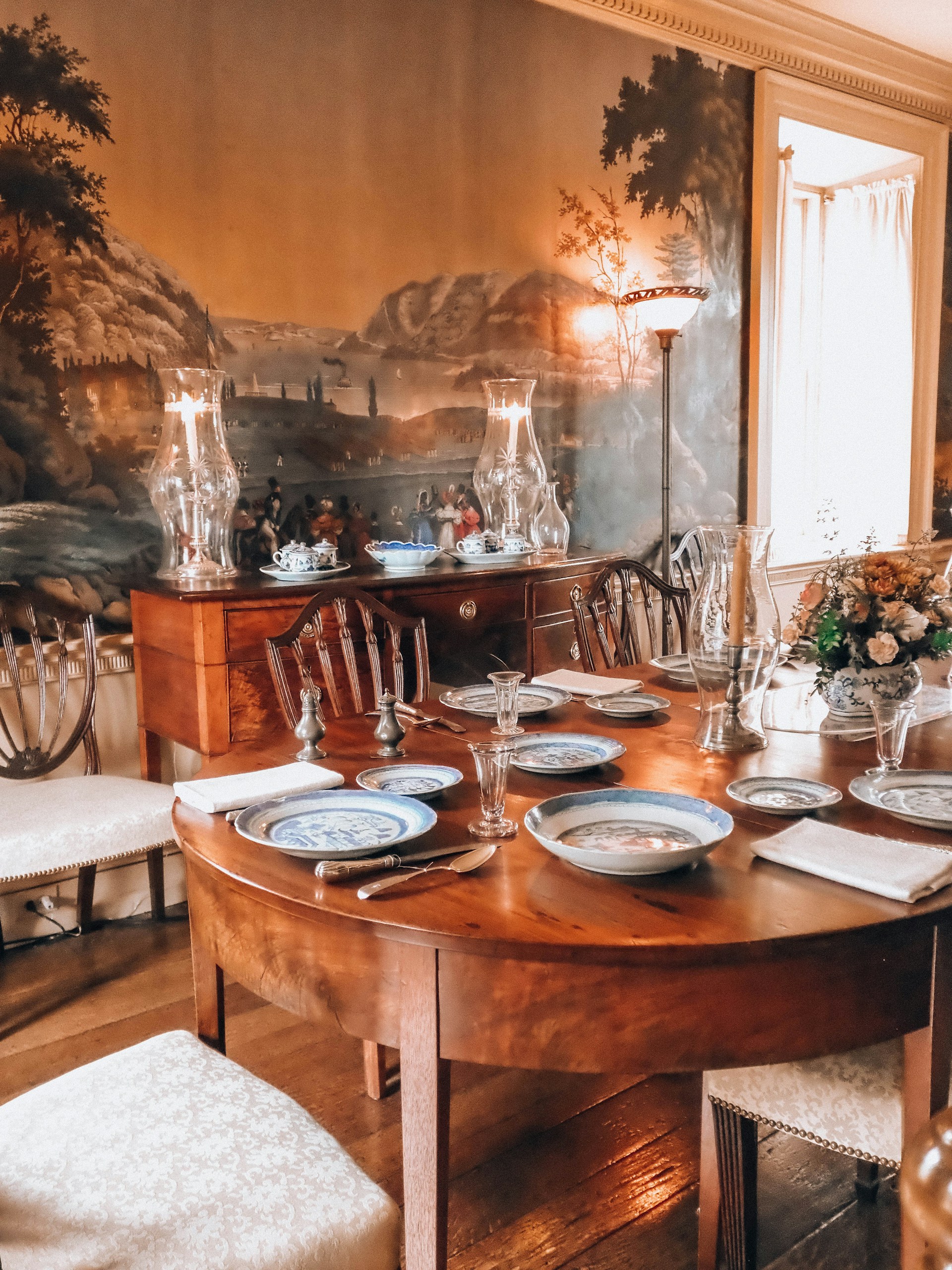
Lighting: The One Upgrade That Changes Everything
If I could only give you one piece of advice out of this entire guide, it would be this: fix your lighting before anything else. I have seen more dining rooms transformed by a single light fixture than by a full furniture swap.
Go bigger than you think you need. A common mistake is choosing a pendant or chandelier that’s too small for the table. As a rough guide, the fixture should be roughly half to two-thirds the width of your table and hung so the bottom sits about 30–34 inches above the tabletop.
Layer your light sources. A single overhead fixture creates flat, unflattering light. Add a dimmer to your main fixture, then bring in a wall sconce or two or a pair of buffet lamps on a sideboard so you can shift the mood from bright family dinner to soft, atmospheric evening lighting.
Consider sculptural or clustered fixtures. Overhead lighting has moved well past the single-bulb chandelier. Clustered pendant groupings, sculptural glass shapes, and warm-toned metal finishes are having a real moment, and they double as art when the lights are off.
Warm bulbs, always. Stick to warm white bulbs (around 2700K–3000K) in the dining room. Cool white lighting makes food look unappetizing and the whole room feel sterile.
Lighting is the fastest, most affordable dining room decor idea on this entire list, and it’s the one I never skip, even on a tight budget.
Small Dining Room Ideas for Small Areas
Not everyone has a grand, separate dining room, and that’s completely fine. Some of my favorite projects have been in tiny dining nooks tucked between a kitchen and a hallway. Here’s what actually works when space is tight.
Choose round or oval over rectangular. A round or oval table removes hard corners, improves traffic flow, and often feels less bulky in a small footprint. It also naturally encourages conversation since no one is stuck at an awkward corner seat.
Go extendable. A drop-leaf or extendable table gives you an everyday small footprint with the option to expand for guests, which is one of the smartest dining room decor ideas for small-area layouts.
Use a mirror to double the perceived space. Hang a large mirror across from your main light source. It reflects light around the room and visually doubles the sense of depth — one of the cheapest tricks that makes the biggest visual impact.
Benches instead of chairs on at least one side. A bench can tuck fully under the table when not in use and seats more people per linear foot than individual chairs, which is huge in a tight dining area design.
Wall-mounted or floating shelving instead of a full buffet. If you don’t have room for a sideboard, a few floating shelves or a slim wall-mounted cabinet gives you storage and display space without eating into your floor plan.
Vertical decor draws the eye up. Tall, narrow art, floor-to-ceiling drapery, or vertical wall paneling makes a small room feel taller rather than cramped.
I’ve used every one of these dining room decor ideas for small area layouts in real apartments and narrow row-house dining nooks, and the combination of a round table, a bench, and a well-placed mirror is almost always my starting formula.
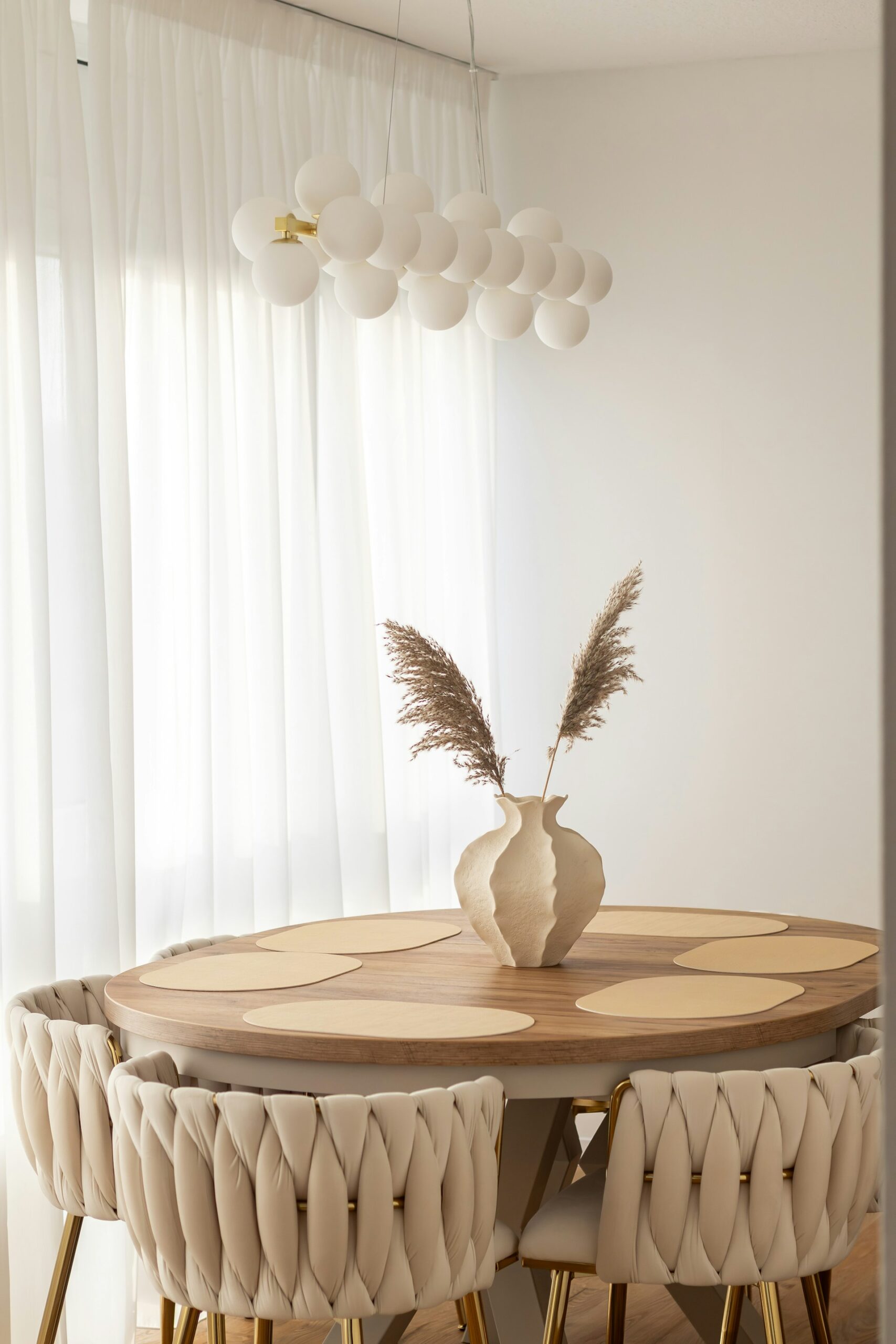
Seating Ideas: Why Mismatched Chairs Work Better Than You Think
For years, the rule was: buy a matching set of six or eight chairs and never deviate. I’m happy that rule is finally fading, because mismatched seating is not only more forgiving of everyday wear, but it also tends to look more personal.
Anchor with two head chairs that differ from the rest. A pair of upholstered armchairs at each end of the table, paired with simpler side chairs, adds a subtle hierarchy and visual interest without looking chaotic.
Keep one element consistent across all chairs. Whether it’s the wood tone, the seat height, or the color family, keeping one variable the same lets you mix shapes and materials freely while the room still feels cohesive.
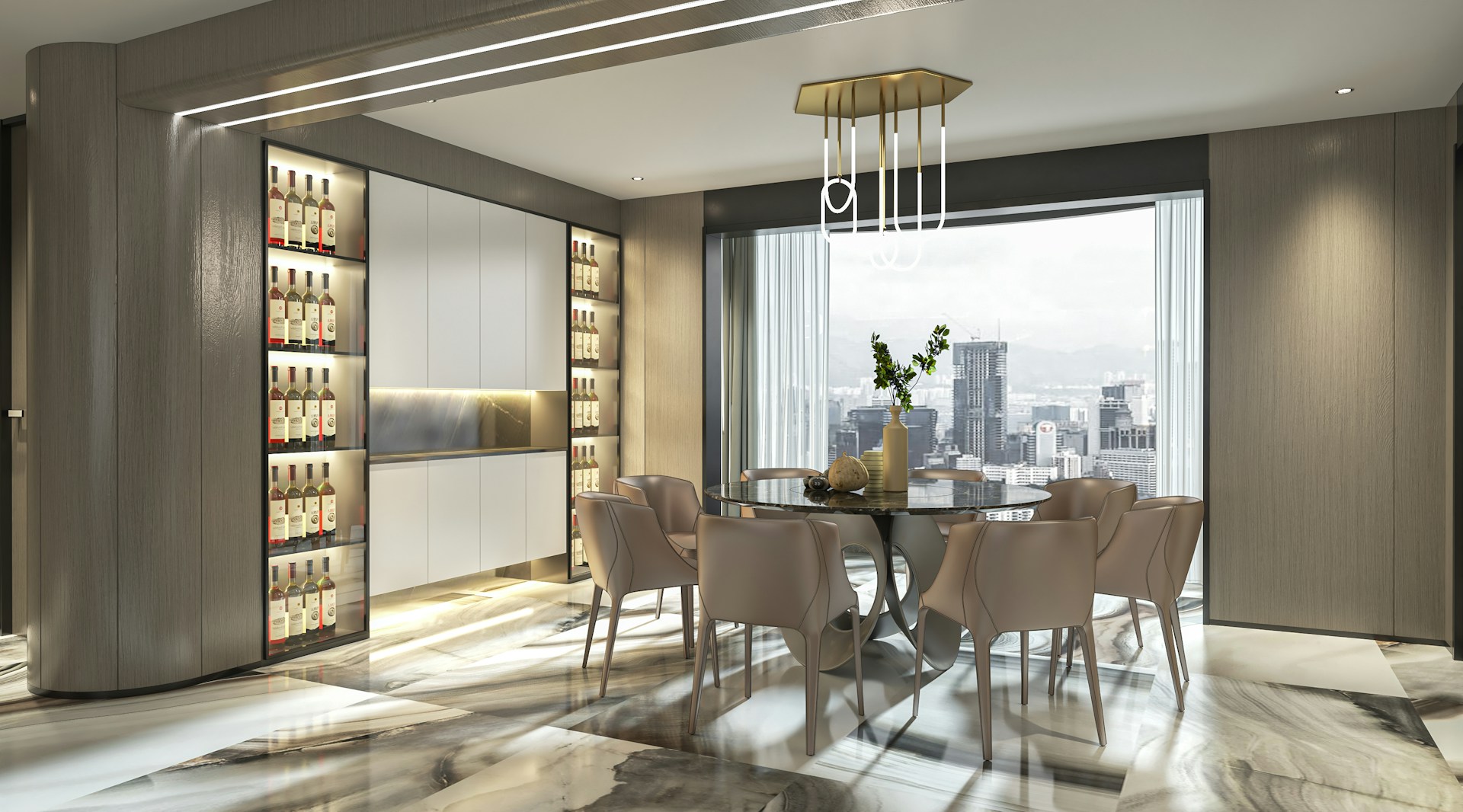
Mix materials on purpose. A sleek stone or glass table pairs beautifully with warm wood or woven rattan chairs. A reclaimed wood farmhouse table looks fantastic with sleek metal-framed seating. The contrast is what makes it feel curated.
Don’t be afraid of a little wear. A scuffed vintage chair mixed into a set of newer pieces reads as character, not a flaw. It’s part of what makes a room feel collected over time instead of ordered as a single set.
Prioritize comfort for the seats people use most. If certain seats get used every single day, invest in a supportive, well-cushioned option there, and save the more decorative pieces for the seats used only during holidays.
Walls, Art, and Mirrors: Turning Blank Space into Personality
A blank dining room wall is one of the biggest missed opportunities I see, and it’s also one of the easiest fixes.
Wall paneling adds depth without a full renovation. Wainscoting, board and batten, fluted wood slats, or picture-frame molding all bring architectural interest to a plain wall for a relatively modest cost, and they pair well with almost any style of dining room decor ideas.
Statement mirrors do double duty. Beyond bouncing light around the room, a well-placed mirror above a buffet or sideboard acts as art. As a sizing rule of thumb, aim for a mirror roughly two-thirds the width of the furniture below it, or at least 40 inches wide if it’s standing alone on an empty wall.
Gallery walls feel personal, not generic. Mix in a few pieces that actually mean something to you—a travel photo, a piece picked up on a trip, art from a local maker—alongside more traditional prints. It reads far more interestingly than an all-matching art set from a big-box store.
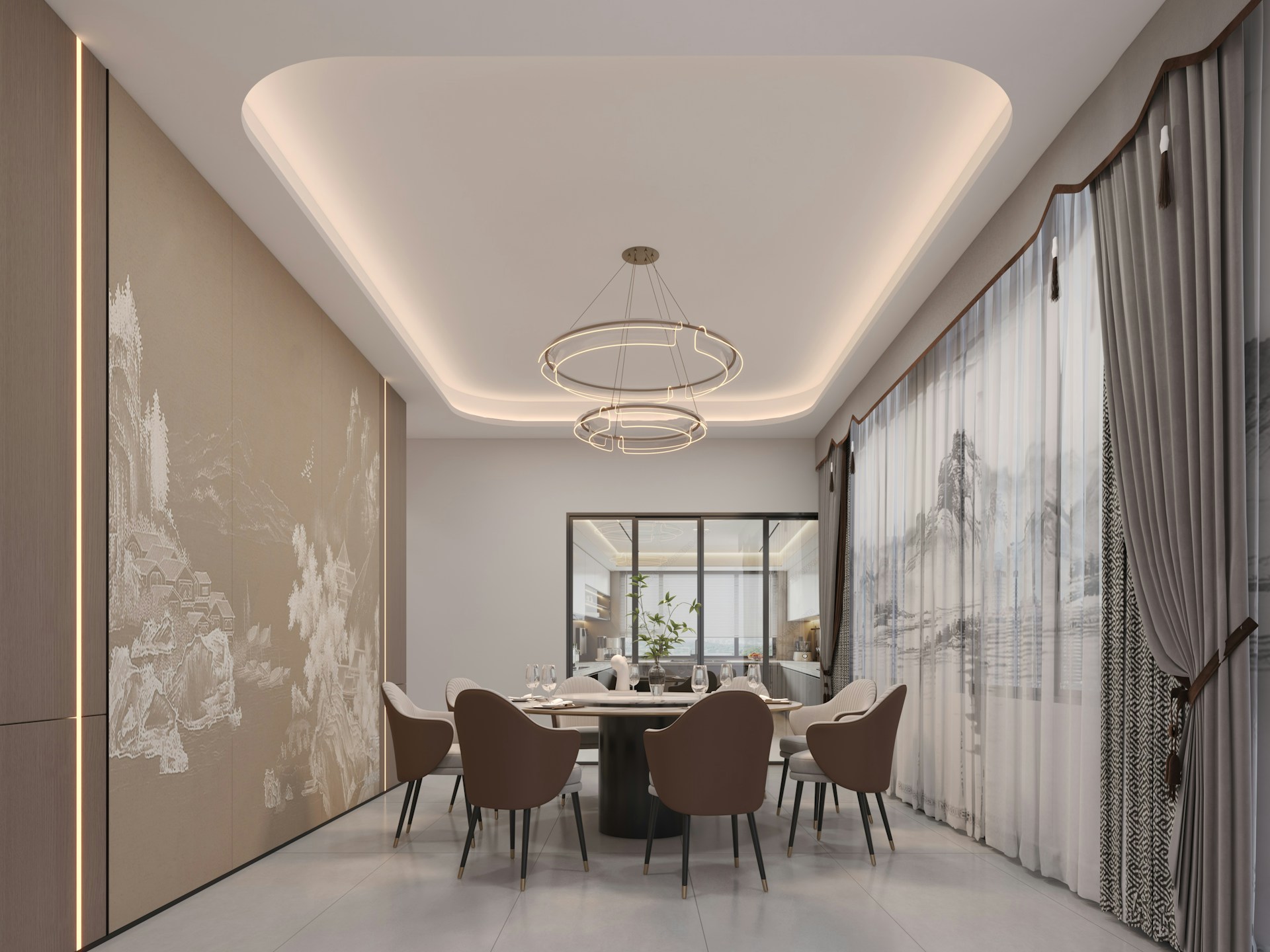
Textured wallcoverings bring in nature. Grasscloth, botanical prints, and richly textured wallpapers are having a real moment in dining rooms this year, adding tactile warmth that flat paint simply can’t match.
Don’t ignore the ceiling. A painted ceiling, a bold light fixture, or even a simple wallpapered ceiling detail turns the fifth wall into part of the design rather than an afterthought.
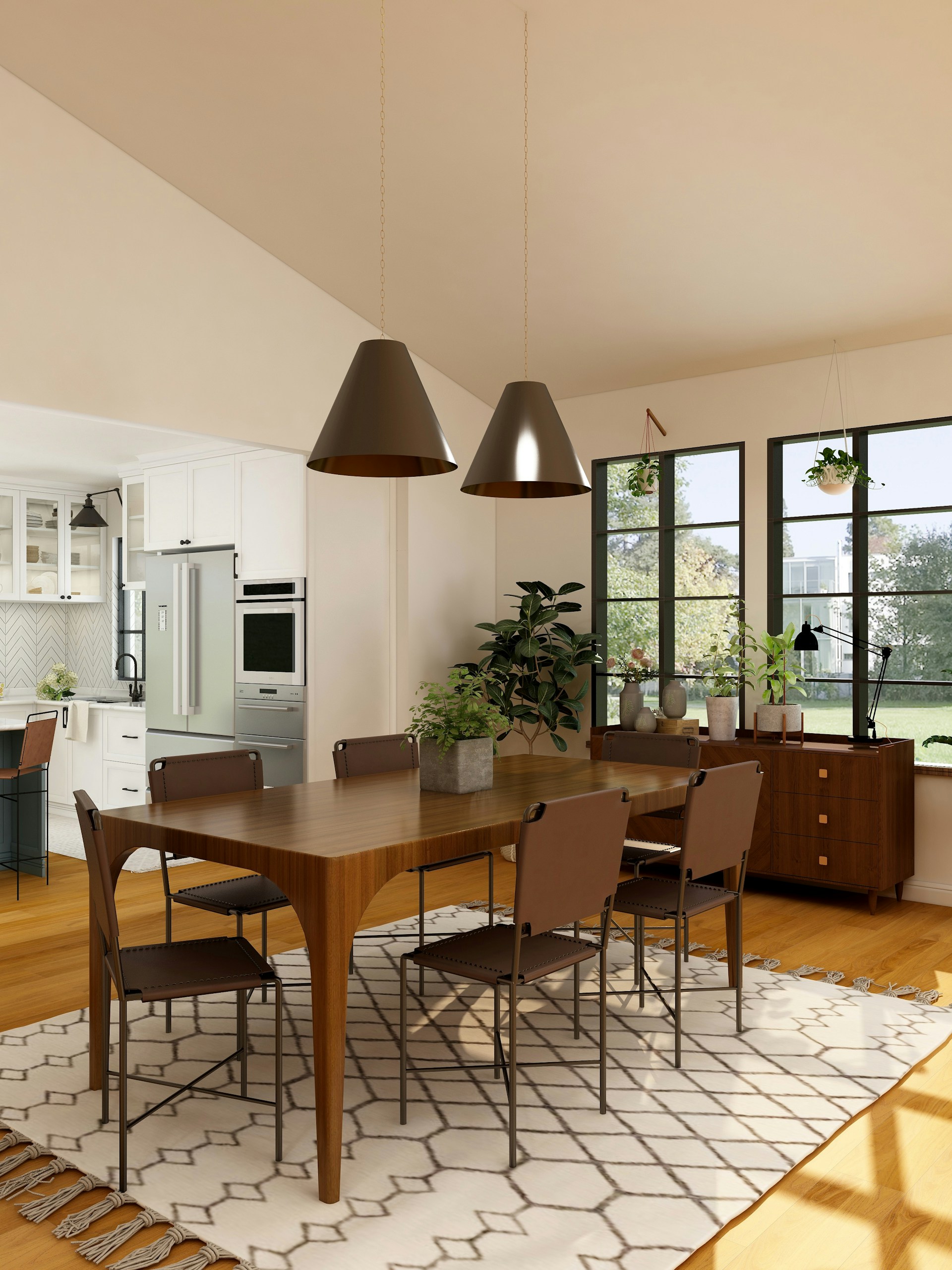
Rugs, Textiles, and Layering
Soft elements are what take a dining room from “furnished” to “finished,” and they’re often the last thing people think about.
Size your rug correctly. All four chair legs should stay on the rug even when pulled out from the table. As a general guide, add at least 24 inches of rug beyond each edge of the table.
Choose a low pile or flatweave. High-pile rugs trap crumbs and make chairs harder to slide in and out. A flatweave, indoor-outdoor, or low-pile wool rug is far more practical under a dining table.
Layer textiles for warmth. Table runners, woven placemats, and cloth napkins in a coordinated but not identical palette add richness without much cost. This is one of the simplest ways to refresh dining decor ideas seasonally without buying new furniture.
Drapery adds softness to hard surfaces. If your dining room has large windows, floor-length curtains soften all the hard edges of the table and chairs and make the whole room feel more finished.
Storage That Doesn’t Look Like Storage
Every dining room needs somewhere to stash linens, extra dishware, and serving pieces, but storage doesn’t have to look purely functional.
A sideboard or buffet as a styling opportunity. Use the top surface for a lamp, a stack of books, and a small piece of art or a plant, and treat it as its own mini vignette rather than just a storage box.
Glass-front cabinets display as much as they store. If you have beautiful dishware, glass fronts let it become part of the room’s decor instead of hiding it away.
Baskets and woven bins for casual storage. For a more relaxed dining area design, woven baskets under a console or bench hide clutter while adding natural texture.
Floor-to-ceiling built-ins for dual-purpose rooms. If your dining room doubles as a home office or homework station, built-in cabinetry that reaches the ceiling can hide everything from paperwork to chargers behind a clean, furniture-like face.
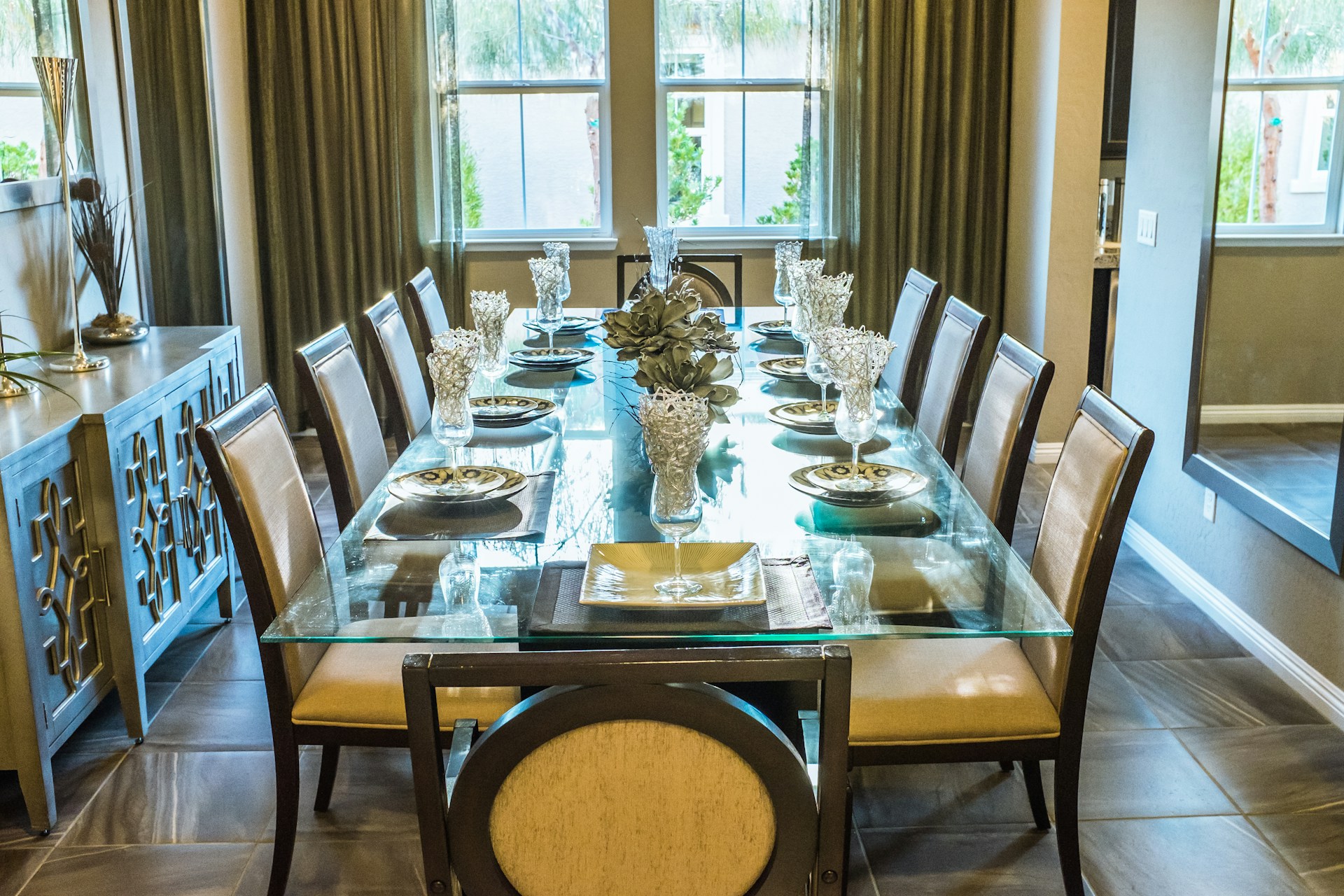
Budget-Friendly Dining Decor Ideas
You don’t need a full renovation budget to make a real difference. These are the dining decor ideas I reach for first when a client wants a refresh without a big spend.
- Swap your existing bulbs for warm-toned ones and add a simple dimmer switch.
- Paint just the inside of a built-in hutch or cabinet a bold color for a low-cost accent.
- Reupholster just the seat cushions of your existing chairs in a new fabric instead of buying new furniture entirely.
- Add a single oversized piece of art on the largest blank wall — one impactful piece beats several small, scattered ones.
- Introduce a textured table runner and a new set of napkins to instantly refresh the table without replacing anything structural.
- Rearrange existing furniture before buying anything new; sometimes just turning the table 90 degrees or centering it under the light fixture solves the whole problem.
- Add a round mirror or a small gallery of thrifted frames to fill wall space affordably.
Seasonal Styling Tips
One of the easiest ways to keep a dining room feeling fresh is to rotate small elements with the seasons instead of redesigning the whole room.
Spring and summer: lighter linens, fresh greenery, pastel or citrus accents, and lighter woven placemats.
Fall: warm terracotta and amber tones, dried grasses or wheat stems, and richer table linens.
Winter and holidays: deeper jewel tones, candles in varying heights, and a few metallic accents like brass or gold-rimmed glassware.
Rotating two or three small elements — a runner, a centerpiece, and a set of napkins — is usually enough to make the room feel seasonally updated without touching furniture, paint, or anything permanent.
Mistakes I See Homeowners Make (And How I Fix Them)
Choosing a table too big or too small for the room. Leave at least 36 inches of clearance on all sides for walking and closer to 42–48 inches on the side chairs get pulled out from.
Centering the table under the wrong point. Center your table and light fixture on the room itself, not just the window, especially in open-plan spaces.
Overhead lighting that’s too small or hung too high. Refer back to the lighting section above—this is the single most common issue I encounter.
A rug that’s too small. A too-small rug makes the whole layout feel disconnected. When in doubt, size up.
Matching everything too perfectly. A dining room where every element matches exactly can feel like a showroom display rather than a home. Leave room for at least one or two pieces that don’t perfectly match—it’s what makes a space feel real.
Ignoring the walls. As covered above, a blank wall is wasted potential. Even a simple gallery wall or a bold mirror instantly elevates the whole room.
Popular Dining Room Decor Ideas to Draw Inspiration From
If you’re still narrowing down a direction, these are the styles I get asked about most, along with the details that make each one work.
Modern Farmhouse. Think a solid wood table with visible grain, a mix of wood and black metal chairs, simple pendant lighting in matte black or aged brass, and warm white or soft greige walls. Keep accessories simple — a woven runner, a stoneware vase, and one piece of vintage-inspired art. The key to doing this well without it feeling dated is restraint: one or two farmhouse signals, not ten.
Scandinavian Minimalist. Light wood tones, a pared-back color palette of whites, soft grays, and muted blues, and chairs with simple, curved silhouettes. Lighting should be sculptural but understated—a single well-designed pendant rather than an elaborate chandelier. This style leans on quality materials and negative space rather than a lot of decor.
Modern Organic. Warm wood, natural stone, layered greenery, and soft, rounded furniture shapes. This is a great direction if you want something that feels current without going overly trendy — it ages well because it’s rooted in natural materials rather than a specific fad.
Moody & Atmospheric. Deep, saturated wall colors like forest green, ink blue, or chocolate brown, paired with warm brass or antique gold light fixtures and rich textiles. This style genuinely thrives in a dining room because the space is mostly used after dark, so the drama reads as cozy and intentional rather than heavy.
Eclectic & Collected. A mix of eras and origins — a midcentury table, a set of vintage chairs, a contemporary light fixture, and art gathered over years rather than bought in one trip. This is the style that rewards patience; it’s built slowly, piece by piece, and it’s nearly impossible to buy as a matching set, which is exactly what makes it feel so personal.
Coastal & Relaxed. Light woods, woven textures like rattan or seagrass, soft blues and sandy neutrals, and linen textiles. Keep hardware and lighting in warm, slightly weathered finishes rather than anything too polished or formal.
None of these styles require you to pick just one. Some of my favorite finished dining rooms borrow from two: a modern organic table with a moody, saturated wall color or a Scandinavian-leaning room with one eclectic vintage find as the conversation piece. The goal isn’t to follow a style perfectly. It’s to use these as a starting vocabulary, then adjust based on what you already own and love.
How to Personalize a Rented or Temporary Dining Space
Not everyone owns their home, and a lot of the dining room decor ideas above still apply—just with a few adjustments for renters.
Removable wallpaper or peel-and-stick panels give you the textured wall look without a long-term commitment or damage deposit concerns.
Plug-in pendant lights let you upgrade a builder-grade overhead fixture without any rewiring, simply by running the cord along the ceiling to a nearby outlet with adhesive clips.
Furniture over fixtures. Since you can’t always change flooring or walls significantly, put your budget into a great table, a statement rug, and a large piece of art — all of which move with you.
Command strip gallery walls let you build out art without a single nail hole, and they hold surprisingly well for lightweight framed pieces.
A temporary space doesn’t have to feel temporary. Some of the coziest dining rooms I’ve helped put together were rentals—the difference came entirely from lighting, a great rug, and a table people wanted to linger at.
Frequently Asked Questions
What is the most important element of dining room decor ideas? Lighting, without question. A well-scaled fixture with warm, dimmable light will do more for the mood of your dining room than any other single change.
How do I decorate a small dining room without it feeling cramped? Choose a round or extendable table, use a bench on at least one side, hang a large mirror to bounce light around, and keep storage vertical rather than bulky.
What colors are trending for dining rooms right now? Warm neutrals as a base, with nature-inspired accents like sage, dusty blue, and clay, plus an openness to deeper, moodier tones for evening drama.
Do dining chairs need to match? No. A cohesive but not identical mix — sharing one consistent element like wood tone or color family — tends to look more personal and collected than a fully matching set.
How often should I refresh my dining room decor? Small elements like linens, a centerpiece, or artwork can be refreshed every season. Bigger investment pieces like your table, chairs, and lighting can comfortably last many years if chosen well.
What size rug do I need under a dining table? Big enough that all chair legs stay on the rug even when pulled out—generally at least 24 inches of rug beyond each edge of the table.
Final Thoughts
If there’s one thing I hope you take from this guide, it’s that great dining room decor ideas aren’t about buying more. It’s about paying attention to how the room is actually lived in, fixing the one thing that’s bothering you most, and layering in personality through color, texture, and a few pieces that genuinely mean something to you.
Start with lighting. Fix your traffic flow. Choose a table and rug sized correctly for your space. Then have fun with the rest — the art, the chairs, the seasonal touches. That’s how a dining room stops being the room you walk past and becomes the room everyone wants to sit in a little longer.
I’d love to see what you do with your own space—tag me in your before-and-after; I read every single one.


Pingback: 45 Dining Room Wall Decor Ideas You'll Actually Love